

Dental pain and injuries can occur without warning. If you have a severe toothache, broken tooth, swelling, bleeding or another urgent dental problem, contact Dental Care Group for prompt emergency dental care in Melbourne.
Our experienced and caring team will assess the problem, relieve discomfort where possible and explain the treatment you need. Patients who call or book before 12 pm can be seen by close of business on the same day.

A dental emergency is any oral health problem that requires prompt professional assessment to relieve severe symptoms, control infection, manage trauma or protect a tooth from further damage.
Not every dental concern is life-threatening, but delaying treatment can allow a manageable problem to become more painful or complex. A small fracture may expose vulnerable tooth structure, while untreated infection can spread beyond the original tooth.
Contact our emergency dentist if you are:
Our team can advise you on the urgency of your situation and arrange an appropriate appointment.
If you have difficulty breathing or swallowing, rapidly increasing facial or neck swelling, uncontrolled bleeding, a suspected broken jaw, a serious head injury or another life-threatening symptom, call 000 or attend a hospital emergency department immediately.

Tooth pain can be caused by decay, a crack, an infection, gum disease, an exposed tooth root or inflammation inside the tooth. The pain may be constant, triggered by temperature or pressure, or severe enough to interrupt sleep. Pain relief may temporarily reduce symptoms, but it does not address the cause. Your dentist will examine the tooth and may take diagnostic images before recommending treatment.
Teeth can fracture after a fall, sporting injury, accident or biting something hard. They may also break when decay or a large restoration has weakened the remaining structure. Even a fracture that is not painful should be assessed promptly. Early professional treatment may improve the chance of preserving the tooth and prevent bacteria from reaching deeper tissues.


A knocked-out permanent tooth is time-critical. Immediate first aid and prompt dental treatment may improve its chance of survival. Teeth may also be pushed sideways, forwards or back into the gum following trauma. Do not attempt to force a displaced tooth into position. Contact a dentist immediately.
An abscess is a collection of infection that may develop around a tooth or within the gums. Symptoms can include throbbing pain, gum swelling, facial swelling, tenderness, a bad taste, fever or feeling generally unwell. An abscess does not normally resolve without professional treatment. Severe swelling involving the mouth or neck can affect breathing or swallowing and requires emergency medical attention.
A lost filling or restoration can expose sensitive tooth structure and leave the tooth vulnerable to further damage. Keep any dislodged crown or veneer and bring it to your appointment if possible. Do not use household glue to reattach it. Avoid chewing on the affected side and contact our clinic for advice.
Occasional minor bleeding when brushing can be associated with gum inflammation, but persistent, spontaneous or heavy bleeding should be assessed. Gum swelling and bleeding may indicate gingivitis, periodontal disease, infection, trauma or another underlying issue. Bleeding that does not stop with firm pressure requires urgent care

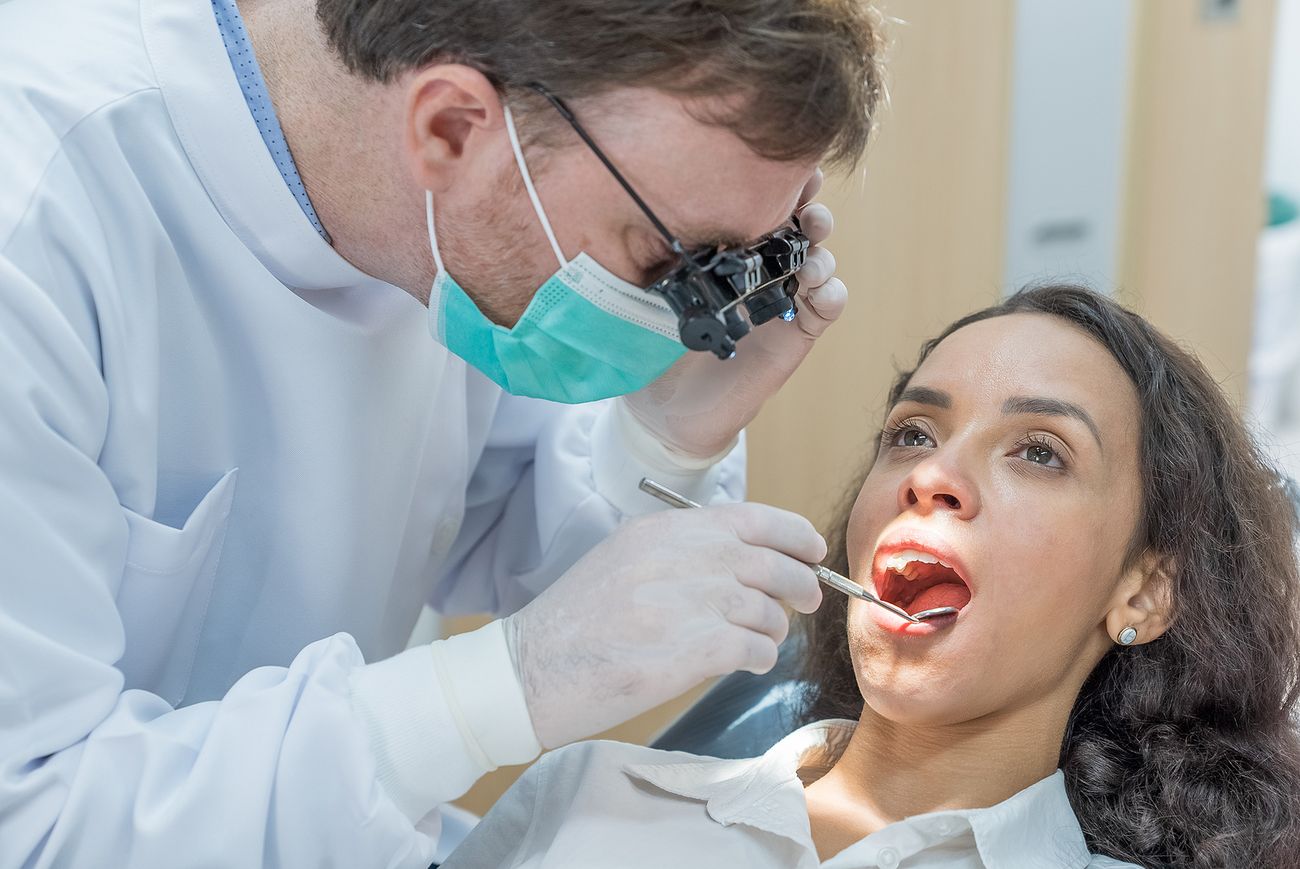
Wisdom teeth can cause pain when they are partially erupted, impacted or difficult to clean. Food and bacteria may collect around the gum, leading to inflammation or infection. Treatment depends on the position of the tooth and the cause of the symptoms. An examination and diagnostic imaging may be required before removal or another treatment is recommended.
Contact us if a dental implant, implant crown or implant-supported restoration becomes painful, loose or damaged. Swelling, bleeding or discharge around an implant should also be assessed promptly. Early attention may help protect the surrounding gum and bone. This applies to titanium, zirconia dental implants and other ceramic dental implants.
Some tenderness after treatment can be expected, but severe or worsening pain may indicate a complication. Seek advice if you develop persistent bleeding, increasing swelling, fever or intense pain after an extraction or another dental procedure.

The steps you take before reaching the clinic can help protect your mouth and reduce the risk of further damage.
For a Knocked-Out Adult Tooth
Rinse your mouth gently with clean water. Collect any fragments and bring them with you. If swelling is present, apply a cold compress to the outside of the face. Avoid chewing with the damaged tooth and do not place aspirin directly against the tooth or gum.
Rinse gently with warm water and remove trapped food with careful flossing if possible. Do not apply heat to facial swelling. Use pain relief only as directed on the packaging and after checking that it is safe for you. A pharmacist or medical practitioner can advise if you are uncertain. Antibiotics should only be taken when prescribed and do not replace treatment of the source of a dental infection.
Place clean gauze over the area and apply steady pressure. If bleeding is heavy, does not stop or is associated with major trauma, seek urgent medical attention.
Keep the restoration if you can find it and avoid eating on the affected side. Do not use household adhesives or attempt a permanent repair yourself.


Your treatment will depend on the cause of the emergency, the condition of the tooth and your general health. The immediate goal may be to relieve pain and stabilise the problem, with definitive treatment completed at a later appointment.
Possible treatments include:
A filling or tooth-coloured bonding may repair suitable areas of decay, minor fractures or lost restorations. Temporary material may be used when the tooth requires further assessment or treatment.
If the tissue inside a tooth has become inflamed or infected, root canal treatment may be required to remove the affected tissue and preserve the tooth. A crown may later be recommended to protect a weakened tooth.
A dental crown can cover and strengthen a tooth affected by a substantial fracture, large filling or root canal treatment. The tooth may first require stabilisation before the final crown is prepared.
Removal may be necessary when a tooth cannot be predictably repaired, is severely infected or is causing complications. We will discuss the reason for extraction, alternatives and replacement options before proceeding whenever circumstances allow.
Treatment for gum swelling or an abscess may involve cleaning, drainage, root canal therapy or extraction, depending on the source. Antibiotics are not required for every dental infection and will only be prescribed when clinically appropriate.
Damaged fillings, veneers, implant crowns and other restorations can be assessed and stabilised. Whether they can be repaired or need replacement depends on the damage and the condition of the supporting tooth or implant.
Emergency treatment is often the first stage of restoring your oral health. Once pain and infection are under control, we can develop a plan to repair the damage, replace missing teeth and reduce the likelihood of another emergency.
Our complete dental services include:
Replacement and cosmetic treatment should only begin after your mouth has been properly assessed and stabilised.

Dental Care Group combines more than 25 years of experience with advanced technology and a caring, patient-focused approach. Our qualified team provides urgent, restorative and preventive care from a purpose-built Melbourne clinic.
Patients contact us for:
We understand that dental emergencies can be stressful. Our trusted team will listen to what has happened, assess your symptoms and explain the next steps as clearly as possible.

Dental Care Group provides emergency dental services from 95 Wattletree Road, Armadale, opposite Malvern Central. Our clinic is conveniently located for patients from across inner south-east Melbourne.
We welcome emergency patients from Armadale, Malvern, Toorak, Prahran, South Yarra, Windsor, Caulfield, Glen Iris, St Kilda and surrounding suburbs.
If you call or book online before 12 pm, Dental Care Group advises that you can be seen by close of business that day. Appointment timing may depend on the nature of the emergency, so contact the clinic as early as possible and explain your symptoms clearly.
For urgent advice outside normal clinic availability, call the practice. For life-threatening symptoms or major facial trauma, call 000 or go to the nearest hospital emergency department.
Dental pain, swelling and trauma should be assessed promptly. Waiting for symptoms to become unbearable can make treatment more complex and may reduce the chance of saving a damaged tooth.
Contact Dental Care Group as soon as possible if you have a toothache, broken tooth, swelling, oral bleeding or another urgent concern. Our caring Melbourne team will arrange the earliest appropriate appointment and guide you on what to do in the meantime.
Severe toothache, facial swelling, a knocked-out adult tooth, significant dental trauma, uncontrolled oral bleeding and signs of infection generally require urgent attention. A broken tooth, lost restoration or persistent gum problem should also be assessed promptly, even if it is not extremely painful.
Dental Care Group states that patients who call or book before 12 pm can be seen by close of business on the same day. Contact the clinic as early as possible and provide details about your symptoms so the team can assess urgency.
A dentist is generally the first point of care for toothache, broken teeth, lost fillings and most dental infections. Call 000 or attend a hospital emergency department for difficulty breathing or swallowing, rapidly increasing facial or neck swelling, uncontrolled bleeding, serious facial trauma, suspected jaw fracture or other life-threatening symptoms.
Handle an adult tooth by the crown, rinse it gently if dirty and try to place it back into the socket if you feel able. Otherwise, keep it moist in milk and see a dentist immediately. Never reinsert a knocked-out baby tooth.
Sometimes. Whether a tooth can be saved depends on the depth and position of the fracture, the condition of the root and how quickly it is assessed. Treatment may involve bonding, a filling, root canal therapy or a crown. Severely damaged teeth may require extraction.
Not every dental infection requires antibiotics. Treatment must usually address the source through drainage, root canal therapy, gum treatment or extraction. Antibiotics may be prescribed when there are signs that infection is spreading or when other clinical factors make them necessary.
Use non-prescription pain relief only according to the label and after checking that it is safe with your health conditions and medications. A pharmacist or doctor can provide advice. Do not place aspirin or other medication directly against the tooth or gum.
The team can assess damaged veneers, crowns and implant restorations. Some can be repaired or recemented, while others require replacement. Pain, movement or swelling around an implant should be assessed promptly.
Trustindex verifies that the original source of the review is Google. Hands down best dentist I’ve been to. Really friendly team and Dr Charlie Kong was awesome. Made me feel comfortable and relaxed knowing I really don’t like the dentist. Highly recommendPosted onTrustindex verifies that the original source of the review is Google. Dr. Charlie put me at ease with his gentle caring manner even though I always get nervous going to the dentist. I had a tooth filled and didn't need an injection. Pain free and I was happy with the result.Posted onTrustindex verifies that the original source of the review is Google. Amazing staff, from the moment you walk in Cherie was warm and welcoming, to Charlie the Dentist who clearly explained things and put me at ease! Incredible team and placePosted onTrustindex verifies that the original source of the review is Google. I saw Dr Charlie Kong and his hygienist-Ms Desiree (Desi) Bolado for check-up and cleaning. Both of them were great. I found that Charlie is an exceptional dentist, very professional, skilled, Knowledgeable, meticulous and caring. Charlie actually showed me the X-rays and took time to explain his diagnoses and treatment options clearly and answered all my questions patiently, making me feel like a partner in my own dental care. I trusted him completely. He only recommended the work that is absolutely necessary. His recommendations are definitely in my best long-term interest. Desiree, the dental hygienist, was steady-handed and had a truly gentle touch and constantly checked if I'm comfortable. She had an incredible eye for details and spotted some areas I was missing. Her cleaning was incredibly thorough but still gentle, in removing every bit of plaque and tartar. She also gave me some helpful flossing advice and showed me the techniques I never knew before. I left their office not only with a healthier mouth but also with more knowledge and less anxiety about my next visit. The front desk staff was very friendly and efficient and I felt so comfortable and welcomed. The entire clinic is spotless and well-organized. Its location is so convenient with ample parking spaces nearby. Altogether, the perfect dental care team made me feel cared for, respected and confident in the treatment I received. I would highly recommend the team to anyone who is looking for great dental services and practice.Posted onTrustindex verifies that the original source of the review is Google. I’ve been going to Dr.Charlie for years! He never fails to do a brilliant job. I just had an implant done with him and it was such a smooth process. Got so many compliments from my family on the new tooth. Thanks Dr Charlie and the team.Posted onTrustindex verifies that the original source of the review is Google. A great dental service with professional and caring staff all round. I particularly value the dedicated dental hygienist service which is often difficult to find in a practice.Posted onTrustindex verifies that the original source of the review is Google. Most dentist don't care. He focused on long term rather then what I could afford. I recommend dr zelman if you are serious about your health and oral care.Posted onTrustindex verifies that the original source of the review is Google. Zelman and his wonderful team are always pleasant, caring and professional and go out of their way to make you feel relaxed.Posted onTrustindex verifies that the original source of the review is Google. Had a root canal and crown done by Dr. Zelman recently, the whole process was easy and professionally carried out. I am super impressed with the resultsPosted on
